









Planning an event usually starts with excitement. You picture the decorations, imagine guests enjoying themselves, and think about the moments people will remember long after the day ends. But somewhere between booking a venue and confirming the final guest count, it’s easy to realize that successful events aren’t built on great ideas alone. They’re built on careful planning, thoughtful decisions, and plenty of preparation behind the scenes.
That’s why understanding the biggest event planning mistakes to avoid can save more than just time and money. It can protect the overall guest experience. Whether you’re organizing a birthday party, wedding reception, corporate gathering, fundraiser, or community celebration, the smallest oversight often creates the biggest challenges. The good news is that most planning mistakes are entirely preventable when you know what to watch for.
Why Small Planning Mistakes Have a Big Impact
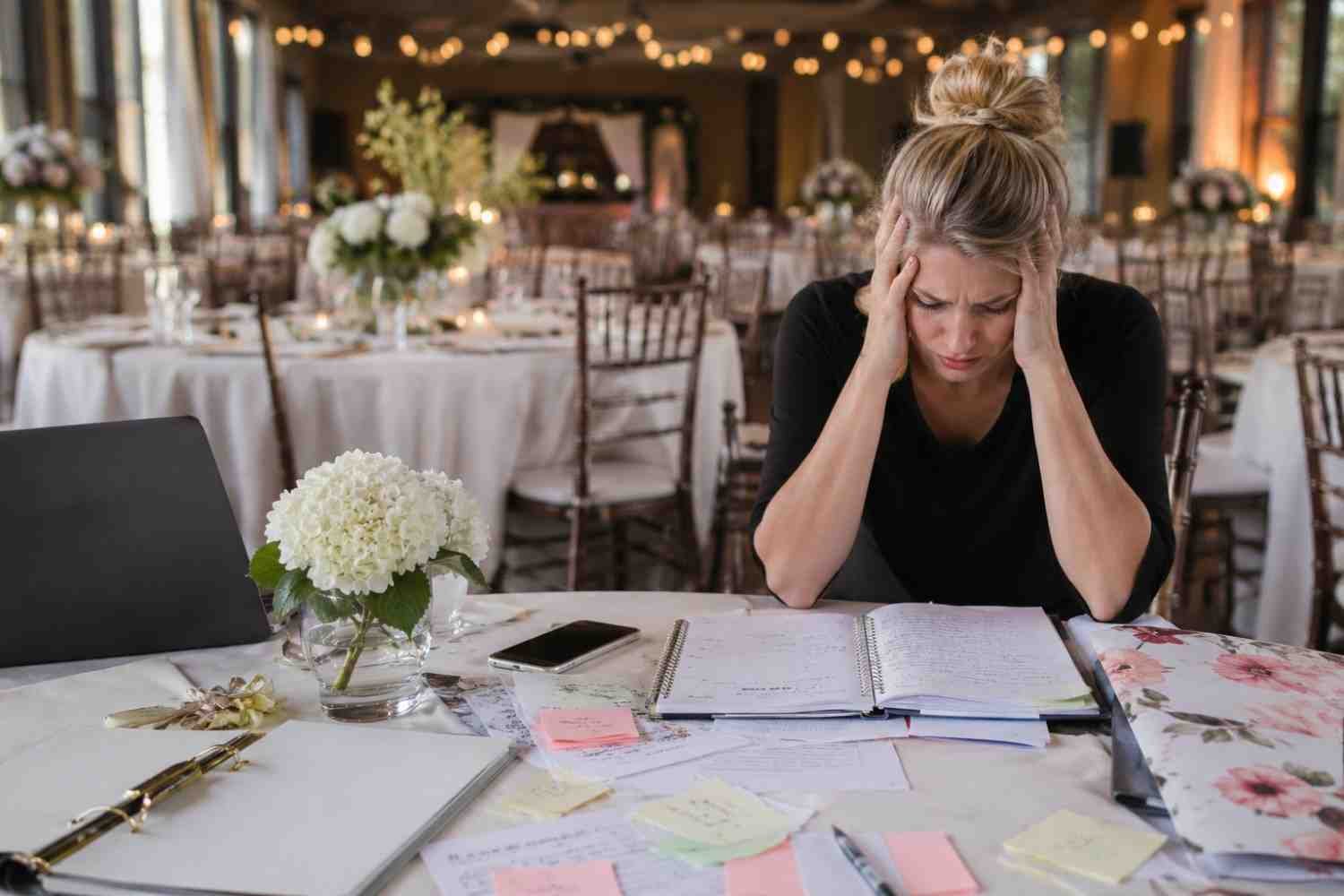
Guests rarely notice every detail that goes right during an event. They simply enjoy the experience. On the other hand, they immediately notice long registration lines, delayed meals, technical issues, or confusion about where to go. These problems may seem unrelated, but they usually stem from decisions made weeks or even months before the event.
Great event planning isn’t about creating perfection. It’s about reducing surprises. Every thoughtful decision before the event makes the day itself feel smoother for everyone involved, including the planning team.
Waiting Too Long to Start Planning
One of the most common event planning mistakes to avoid is delaying important decisions. Many hosts believe they have plenty of time, only to discover that popular venues, photographers, caterers, entertainers, and rental companies have already been booked.
Starting early provides flexibility instead of pressure. Larger celebrations often benefit from six to twelve months of preparation, while smaller events should still begin several months in advance whenever possible. Early planning also gives you time to compare vendors, negotiate pricing, and solve unexpected problems without making rushed decisions.
Creating a simple planning timeline with monthly milestones helps keep every task manageable instead of overwhelming.
Building a Budget Without Planning for Reality

Budgets rarely fail because they’re too small. More often, they fail because people underestimate hidden expenses.
Taxes, service charges, delivery fees, gratuities, permits, audiovisual support, overtime labor, and last-minute purchases can quietly push costs far beyond the original estimate. Without preparation, even a well-planned event can suddenly exceed its budget.
Instead of budgeting down to the last dollar, many experienced planners recommend reserving a contingency fund of around 15% to 20% for unexpected expenses. That extra cushion creates flexibility when prices change or additional services become necessary.
It’s also helpful to prioritize spending based on guest experience. Comfortable seating, reliable catering, quality lighting, and smooth logistics often leave a stronger impression than expensive decorations alone.
Choosing the Wrong Venue
A beautiful venue doesn’t automatically make it the right one.
The venue should support your event rather than complicate it. Parking availability, accessibility, restroom capacity, room layout, acoustics, internet reliability, and available power sources all affect how smoothly the day unfolds.
Before signing any contract, walk through the space as if you’re attending the event yourself. Consider how guests will arrive, check in, find their seats, access refreshments, and move throughout the venue. Small inconveniences quickly become noticeable when dozens or hundreds of people experience them at the same time.
The venue should also leave enough room for vendors to load equipment without disrupting arriving guests.
Forgetting the Guest Experience

Hosts naturally spend months thinking about decorations, entertainment, and schedules. Guests, however, remember something much simpler: how the event made them feel.
Clear signage, comfortable seating, appropriate lighting, clean facilities, reasonable waiting times, and thoughtful accommodations all contribute to a positive experience. If guests spend twenty minutes searching for parking or waiting in registration lines, even excellent entertainment may not fully recover the experience.
Walking through the entire event from a guest’s perspective often reveals issues that planning checklists miss. Think about arrival, check-in, seating, food service, restroom access, and departure. Every stage should feel intuitive rather than confusing.
Many modern planners also pay closer attention to accessibility, dietary preferences, and inclusive seating arrangements so every attendee feels welcomed.
Never Skip a Backup Plan
Every experienced event planner knows one thing: something unexpected usually happens. It may be minor, like a delayed vendor, or something more disruptive, such as bad weather, a speaker canceling at the last minute, or an internet outage. The difference between a stressful event and a successful one often comes down to preparation.
Instead of hoping everything goes perfectly, create a simple contingency plan. Identify potential risks and decide who will handle each situation if it arises. For outdoor events, secure an indoor alternative or tent option. Have backup microphones, printed copies of presentations, extra extension cords, chargers, and emergency contact lists readily available.
Assigning one team member as the point person for unexpected situations also prevents confusion. While everyone else focuses on keeping the event running, that individual can coordinate solutions without disrupting the guest experience.
Trying to Do Everything Yourself

Many hosts believe managing every detail personally will produce the best results. In reality, it usually creates unnecessary stress and increases the chance of overlooking something important.
Successful event planning depends on delegation. Family members, coworkers, volunteers, or professional coordinators can each take responsibility for specific tasks like guest registration, vendor coordination, seating assistance, or timeline management.
Having clearly assigned responsibilities also allows you to spend more time with your guests instead of constantly solving problems behind the scenes.
If you’re planning future celebrations, it’s also worth exploring event trends worth trying in 2026 to discover practical ideas that improve guest engagement without making the planning process more complicated.
Small Habits That Make Planning Easier
Avoiding mistakes is important, but building good planning habits makes an even bigger difference.
A few practices consistently lead to smoother events:
- Create a detailed planning timeline with deadlines for every major task.
- Confirm vendors one final time one to two weeks before the event.
- Reserve a contingency budget for unexpected costs.
- Walk through the event as if you were a guest.
- Test all technology before attendees arrive.
- Delegate responsibilities instead of managing everything yourself.
These habits don’t require a larger budget. They simply create a more organized planning process that reduces stress and helps everyone enjoy the event.
FAQs: Event Planning Mistakes to Avoid for a Stress-Free and Memorable Event
1. What is the biggest event planning mistake to avoid?
Starting too late is one of the biggest mistakes because it limits venue options, increases costs, and leaves little time to solve unexpected problems before the event.
2. How much extra budget should I set aside?
Many experienced planners recommend keeping about 15% to 20% of the total budget as a contingency fund to cover hidden fees, last-minute changes, or emergency expenses.
3. Why is vendor communication so important?
Regular check-ins help confirm timelines, guest counts, deliveries, dietary requests, and setup details, reducing the risk of misunderstandings on the event day.
4. Should I always have a backup plan?
Yes. Weather changes, technical issues, vendor delays, and schedule adjustments can happen anytime. Preparing alternative solutions helps the event continue smoothly with minimal disruption.
The Best Events Feel Effortless for a Reason
Guests usually remember how an event felt, not how much work went into creating it. Smooth arrivals, comfortable spaces, reliable vendors, and thoughtful planning rarely receive compliments because they simply work. Behind every memorable celebration is a series of smart decisions made long before the first guest walks through the door. That’s why understanding the most common event planning mistakes to avoid isn’t about expecting problems—it’s about giving yourself the confidence to handle them before they affect the experience.
A little preparation today often becomes the reason your guests remember tomorrow for all the right reasons.