








The wrong jewelry can make a great outfit feel unfinished, crowded, or slightly off. The right piece does the opposite. It pulls your face, outfit, color palette, and occasion into one polished look.
I learned that the best advice on choosing the right jewelry is not to buy more. It is to choose with better filters. Skin tone, neckline, face shape, and occasion should guide the decision before trends do.
Start With the One-Piece Rule
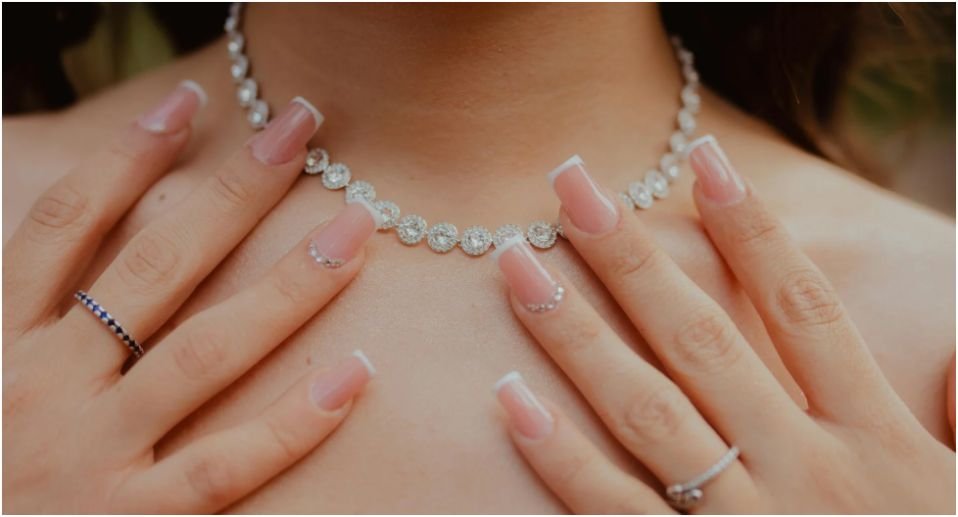
The easiest way to avoid over-accessorizing is to pick one hero piece first. That may be a chunky necklace, dramatic drop earrings, a sculptural cuff, or a diamond tennis bracelet.
Once I choose the hero, everything else gets quieter. If I wear chandelier earrings, I skip the loud necklace. If I choose a bold pendant, I keep earrings small. This keeps the outfit focused instead of busy.
This matters because jewelry sits close to the face. It can brighten your features, sharpen your style, or fight for attention. One strong focal point almost always looks more expensive than five competing pieces.
Match Metals to Your Skin Tone
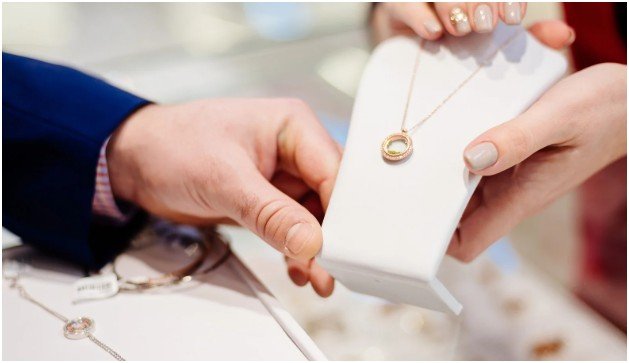
Skin tone does not control every jewelry choice, but it helps. I use undertone as a starting point, then adjust for outfit color and personal taste.
Cool, Warm, and Neutral Undertones
Cool undertones often look fresh with silver, white gold, and platinum. Blue, purple, pink, and jewel-toned stones also tend to stand out well.
Warm undertones usually glow with yellow gold and rose gold. Amber, citrine, coral, champagne, and earthy stones can look rich against warmer skin.
Neutral undertones can wear both sides well. If that is you, mixed metals are not a mistake. They can look intentional when repeated at least twice in the outfit.
A simple test helps. Stand near natural light and hold silver near one side of your face and gold near the other. The better metal usually makes your skin look clearer, not duller.
Skin comfort matters too. The American Academy of Dermatology says nickel in jewelry can trigger allergic reactions, and it recommends nickel-free, hypoallergenic, platinum, pure sterling silver, or higher-karat yellow gold options for sensitive skin.
Let Your Neckline Choose the Necklace
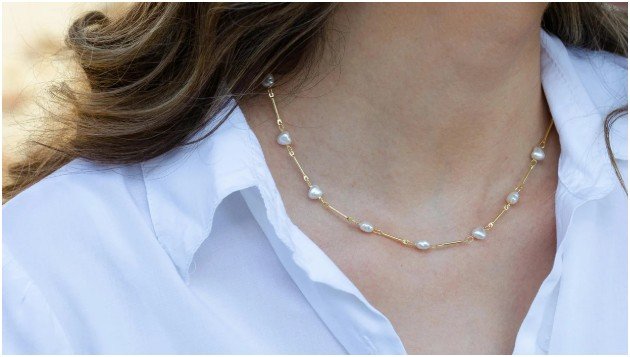
Necklaces work best when they echo the shape of your neckline. I check the top before I check the jewelry tray.
V-Neck, High Neck, Square Neck, and Detailed Outfits
A V-neck looks best with a pendant necklace that follows the same downward shape. A slim chain with a small stone can make the neck look longer without trying too hard.
A high neck, turtleneck, or crew neck already fills the chest area. I usually skip a necklace there and choose bold earrings or stacked bracelets instead.
A square neckline works well with short necklaces, chokers, or collarbone-length chains. I avoid sharp angular pieces because they can make the chest area look harsh.
An asymmetric, sequined, ruched, or heavily embellished dress already has movement. In that case, the dress is the statement. Studs, a sleek ring, or a clean bracelet usually works better.
This is where the best advice on choosing the right jewelry becomes practical. Do not ask, “What necklace is pretty?” Ask, “Does this necklace support the neckline?”
Use Earrings to Balance Face Shape

Earrings can change how the eye reads your face. They do not hide features. They frame them.
For round faces, I prefer long drops, slim rectangles, and angular shapes. These create length and make the face look more defined.
For square faces, hoops, oval earrings, circular studs, and curved drops soften the jawline. Sharp square earrings can make the face look more rigid.
For heart-shaped faces, teardrop and chandelier earrings work well. They add visual weight near the jaw and balance a narrower chin.
Oval faces have the most flexibility. Studs, hoops, drops, cuffs, and statement earrings usually work. The main limit is the outfit, not the face shape.
Dress for the Occasion, Not Just the Outfit
Jewelry should match the room you are entering. A piece can be beautiful and still wrong for the setting.
For professional settings, I keep things clean. Pearl studs, diamond studs, small hoops, thin chains, and simple rings work well. Noisy bangles can distract during meetings.
For casual days, I like layered chains, mixed metals, charm bracelets, and thin stacked rings. This is where personality can show without looking forced.
For formal evenings, jewelry can carry more drama. Chandelier earrings, a statement necklace, cocktail rings, or a diamond bracelet can elevate a simple dress.
For birthdays, anniversaries, and personal celebrations, I like jewelry with meaning. A birthstone pendant or engraved bracelet feels more personal. You can pair the gift with a sweet note using Sending You Birthday Smiles as your internal inspiration.
Check Quality Before You Buy

Style gets attention, but quality decides whether jewelry lasts. I always check three things before buying: material, finish, and care needs.
For diamonds, GIA’s 4Cs framework explains cut, color, clarity, and carat weight. It remains a widely used standard for understanding diamond quality.
For gemstones, pearls, metals, and lab-created or imitation stones, the FTC Jewelry Guides help shoppers understand accurate product claims. They cover how jewelry should be described in marketing and sales.
This is especially useful when buying online. If a product page uses vague words like “gold tone,” “diamond-like,” or “genuine style,” slow down. Those phrases may not mean solid gold or real diamond.
I also check clasp strength, chain weight, stone setting, and return policy. A beautiful necklace is not useful if the clasp feels weak on day one.
My 2-Out-of-4 Jewelry Rule
My original shortcut is the 2-out-of-4 rule. A piece should match at least two of these four things: skin tone, neckline, face shape, and occasion.
It does not need to be perfect in all four. That would make shopping stressful. But it should not fight the other two.
Here is a worked example. I have a black V-neck dress for an evening dinner. My skin looks better in silver tones, my face is slightly round, and the event is formal.
I would choose a white gold or silver pendant that follows the V shape. Then I would add slim drop earrings for length. I would skip chunky bracelets because the necklace and earrings already carry the look.
That outfit passes the rule. It matches skin tone, neckline, face shape, and occasion without looking crowded.
This is the best advice on choosing the right jewelry for real life. Build balance first. Add sparkle second.
FAQs
1. What is the best jewelry for everyday wear?
Diamond studs, small hoops, thin chains, simple rings, and lightweight pendant necklaces are best for daily outfits.
2. How do I know if gold or silver suits me better?
Gold often flatters warm undertones, while silver often flatters cool undertones; neutral undertones can usually wear both.
3. Should necklace length match neckline?
Yes, necklace length should support the neckline so the jewelry frames the outfit instead of interrupting it.
4. What is the best advice on choosing the right jewelry for gifts?
Choose a timeless piece that fits the person’s lifestyle, skin sensitivity, style, and most-worn outfits.
Final Sparkle Check: Don’t Let the Jewelry Wear You
Jewelry should make you feel more like yourself, not like you borrowed someone else’s personality. I always do one final mirror check before leaving. If my eye goes straight to the jewelry and stays there, I remove one piece.
The smartest jewelry collection is not the largest one. It is the one that works hardest. Start with versatile classics, add meaningful pieces slowly, and let one item shine at a time.
That is the best advice on choosing the right jewelry I actually use: choose harmony, protect comfort, and let your best piece do the talking.