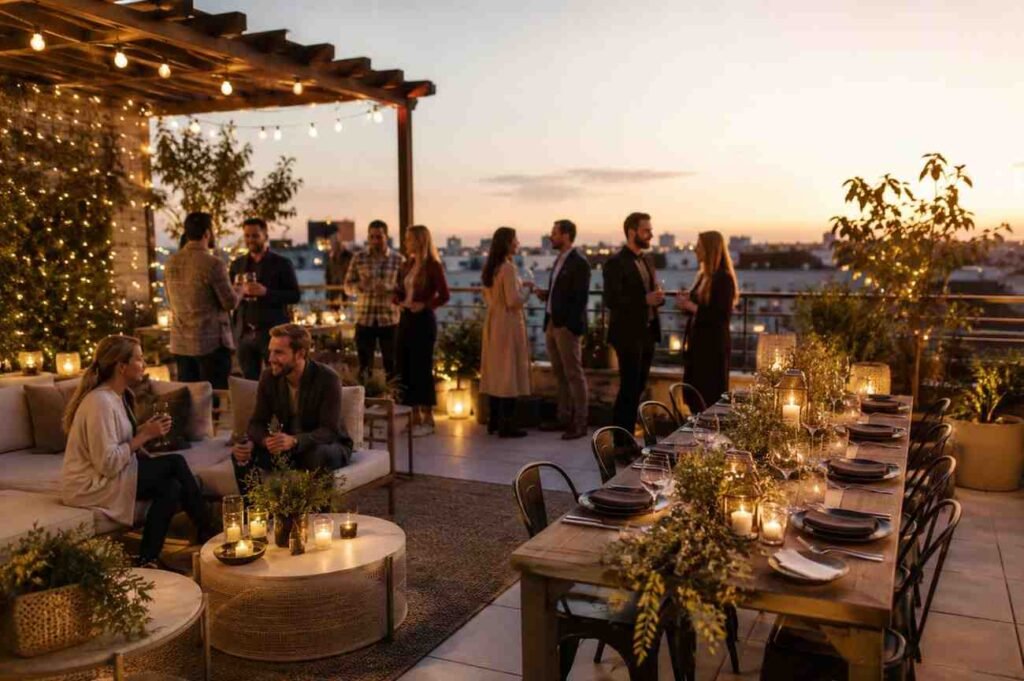







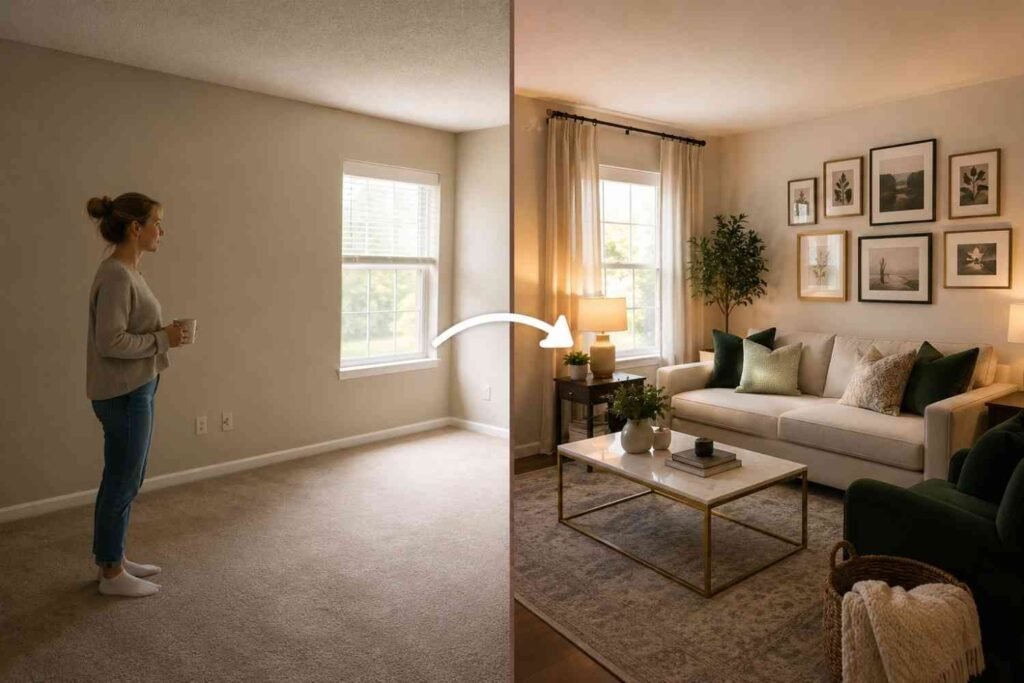
You don’t have to spend thousands of dollars to make your home feel polished. Some of the most inviting spaces aren’t filled with expensive furniture or designer brands. They’re thoughtfully put together, with small details that make everything feel intentional. That’s usually what people notice first—not the price tag.
The best budget-friendly decor ideas focus on improving what you already have instead of replacing everything. A different light bulb, a larger rug, or a better furniture arrangement can completely change how a room feels. If you’ve been wanting your home to look more refined without stretching your budget, a few smart updates can go a long way.
Why Expensive-Looking Homes Aren’t Always Expensive
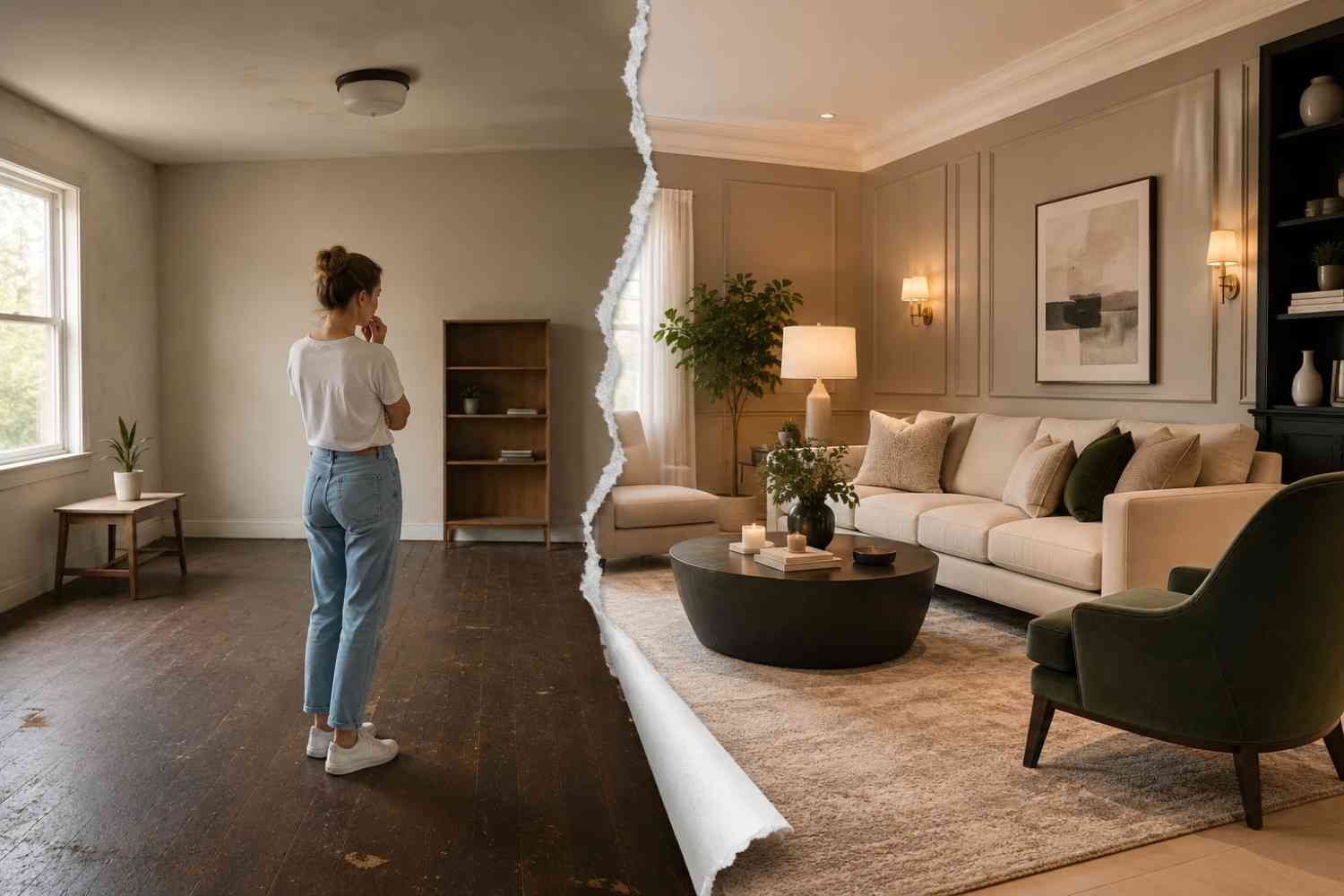
Professional-looking interiors often come down to balance rather than spending. Designers pay attention to proportion, lighting, texture, and color before they think about buying more décor. Those same principles can work in any home, regardless of its size or budget.
Instead of filling every empty corner, focus on creating a room that feels open and intentional. A clean layout, coordinated finishes, and a few statement pieces usually have a much bigger impact than shelves full of inexpensive decorations.
Start by Removing What Doesn’t Need to Be There
Before buying anything new, take a careful look around the room. Decorative items lose their impact when they’re competing with piles of mail, tangled charging cables, or crowded shelves.
Use woven baskets, decorative storage boxes, or closed cabinets to organize everyday items. Natural materials like rattan, seagrass, and canvas add texture while keeping clutter out of sight. This simple change instantly makes a space feel calmer and more put together.
Upgrade Small Hardware for a Big Difference
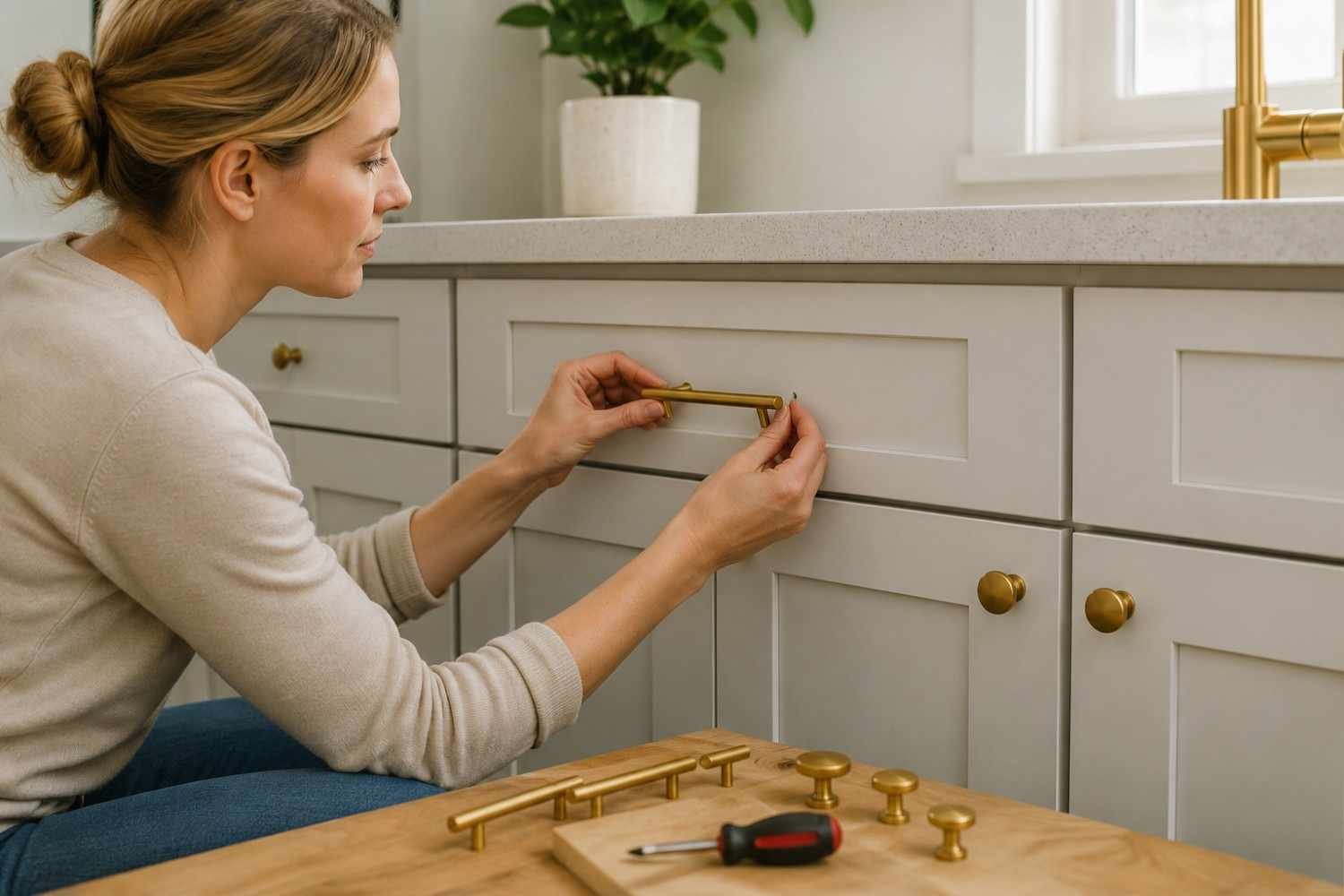
Cabinet handles, drawer pulls, and doorknobs are easy to overlook, but they influence the overall look of a room more than most people realize.
Replacing builder-grade hardware with matte black, brushed brass, or polished nickel finishes creates a custom appearance without a major investment. Keeping the finish consistent throughout your kitchen, bathroom, or entryway also helps the entire space feel more cohesive.
Small upgrades like these often deliver one of the best returns when decorating on a budget.
Choose Bigger Rugs and Larger Artwork
One of the most common decorating mistakes is choosing accessories that are too small for the room.
A rug should anchor your furniture, not float underneath a coffee table. Ideally, the front legs of your sofa and chairs should rest on the rug to create visual balance. The room immediately feels larger and more connected.
Artwork follows the same principle. Instead of several tiny frames scattered across a wall, consider one oversized piece or a grid of matching prints. Digital artwork from independent artists can be printed locally for a fraction of the cost of traditional framed art while still creating a designer-inspired focal point.
Layer Lighting Instead of Relying on One Fixture
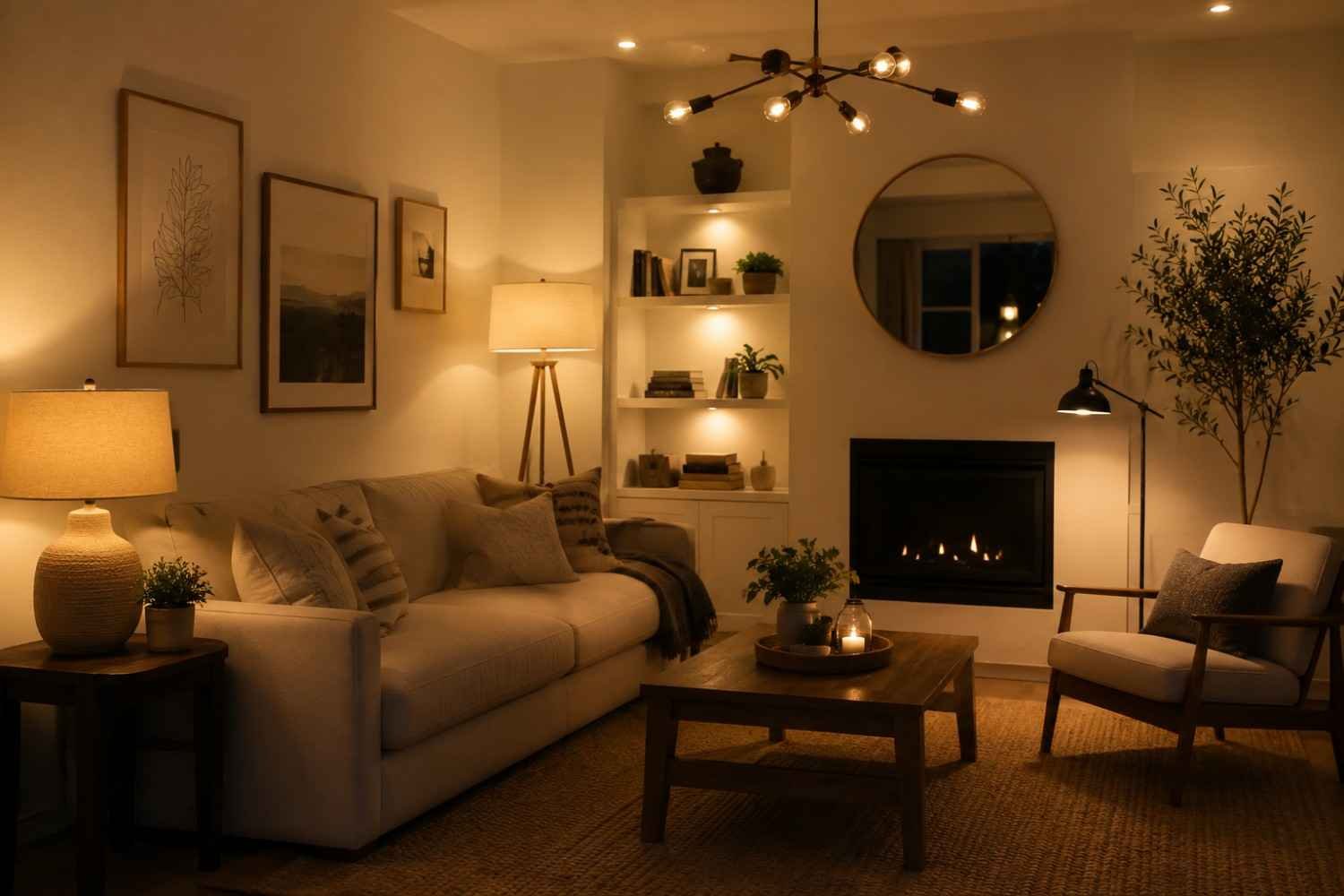
Lighting affects how every color, fabric, and decorative element appears.
If your room depends entirely on a bright overhead fixture, it can feel flat and uninviting. Instead, combine table lamps, floor lamps, and accent lighting to create depth throughout the space.
Warm LED bulbs around 2700K produce a softer glow that makes living rooms, bedrooms, and dining areas feel more comfortable. Layered lighting also highlights decorative pieces instead of washing everything out with a single source of light.
Add Texture Before Buying More Decorations
Luxury interiors rarely rely on dozens of decorative objects. Instead, they use different materials to create warmth and depth.
Chunky knit throws, linen curtains, woven baskets, ceramic vases, wood bowls, and marble trays all introduce texture without making the room feel crowded. Mixing these materials creates visual interest even when the color palette stays simple.
Neutral colors paired with layered textures often look more timeless than rooms filled with bold trends that quickly go out of style.
Mix Affordable Finds With Unique Pieces
Not everything needs to come from the same furniture store.
Thrift shops, flea markets, estate sales, and antique stores often have solid wood furniture, vintage mirrors, brass candle holders, and decorative frames that add personality to a room. Mixing these one-of-a-kind pieces with newer décor creates a collected look instead of making your home feel like a showroom.
Shopping secondhand also stretches your decorating budget much further while helping you discover pieces that few other homes will have.
Spend More Where It Matters
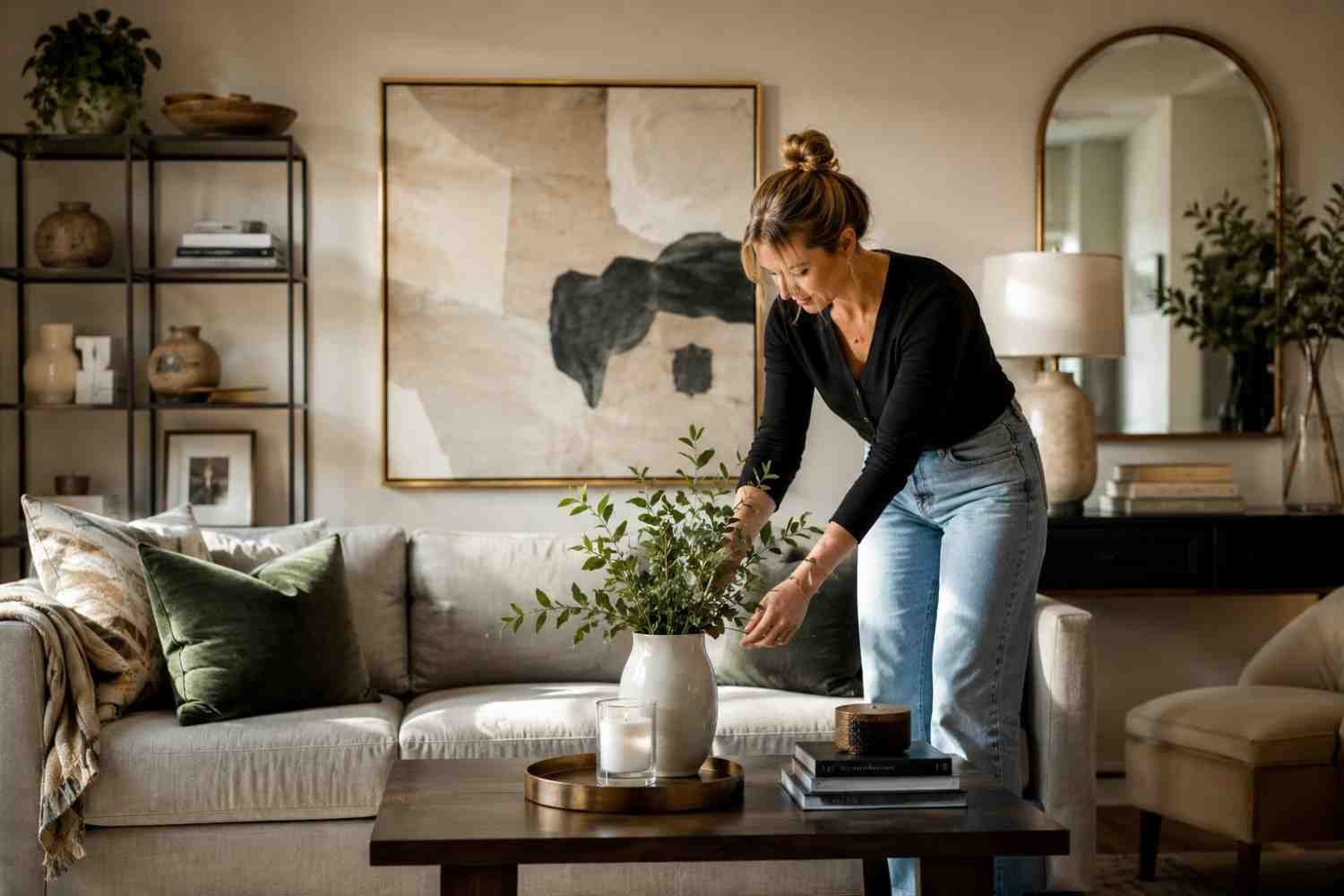
Every decorating project benefits from knowing where to save and where to invest.
Save money on accessories that are easy to replace, such as decorative pillows, picture frames, and seasonal décor. Spend a little more on items you use every day, including quality curtains, comfortable rugs, supportive seating, and durable lighting fixtures. These pieces contribute more to both comfort and the overall appearance of your home.
Making thoughtful purchases usually produces better results than buying many inexpensive items all at once.
Don’t Forget the Finishing Details
The smallest finishing touches often make the biggest difference.
Fresh greenery, neatly styled bookshelves, matching storage containers, and neatly arranged coffee tables help rooms feel complete without appearing cluttered. Even replacing old outlet covers or switching to coordinated picture frames can subtly elevate the entire space.
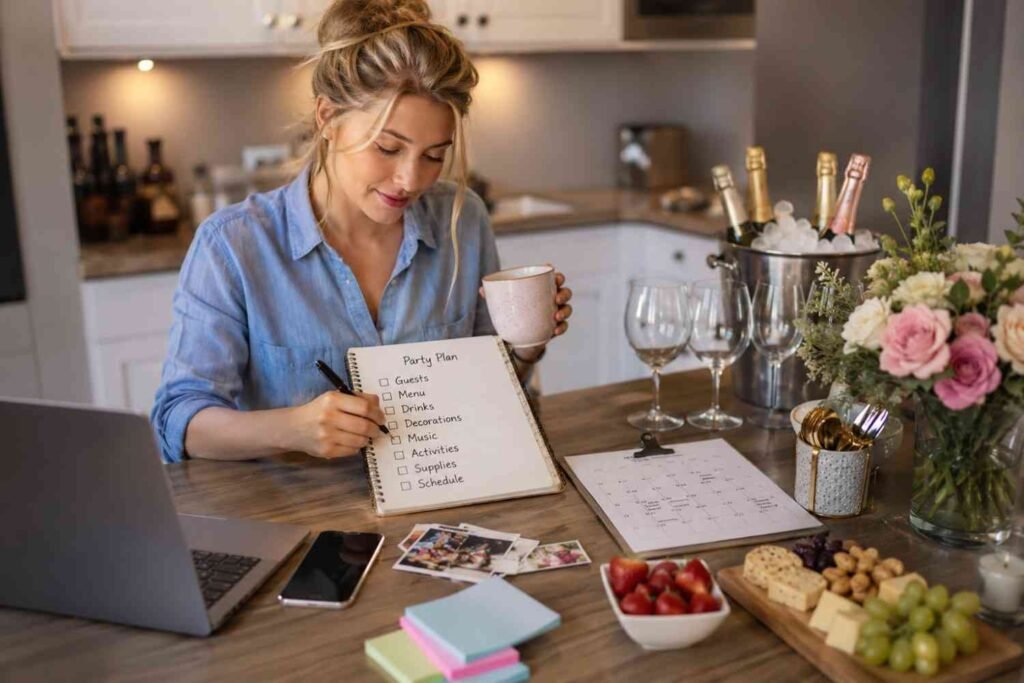
If you’re decorating before entertaining guests, pairing these ideas with a party planning checklist helps create a welcoming home that’s both functional and visually inviting without adding unnecessary expenses.
Decorating Mistakes That Can Make a Room Feel Cheaper
Sometimes improving a room isn’t about adding something new—it’s about avoiding common mistakes.
- Choosing rugs that are too small for the furniture layout.
- Using cool-toned lighting that makes rooms feel harsh.
- Displaying too many small decorative accessories at once.
- Ignoring storage, allowing everyday clutter to stay visible.
- Buying matching furniture sets instead of mixing textures and materials.
Correcting even one or two of these issues can dramatically improve how a room feels without increasing your decorating budget.
FAQs: Budget-Friendly Decor Ideas That Make Any Space Feel More Expensive
1. What are the easiest budget-friendly decor ideas to try first?
Start with decluttering, updating cabinet hardware, improving lighting, and adding a larger rug. These changes are affordable and noticeably improve a room’s overall appearance.
2. Can a home look expensive without buying new furniture?
Yes. Better lighting, layered textures, oversized artwork, and thoughtful styling often make a bigger difference than replacing furniture. Rearranging what you already own can also refresh a space.
3. Where can I find affordable home décor with character?
Local thrift stores, flea markets, estate sales, and online marketplaces are excellent places to find unique mirrors, frames, wood furniture, and decorative accessories for less.
4. How do I decorate on a budget without making my home feel crowded?
Choose a few larger statement pieces instead of many small decorations, keep surfaces organized, and prioritize storage that hides clutter while adding texture to the room.
Why Thoughtful Decorating Always Wins
Beautiful homes aren’t built overnight, and they don’t have to come with a luxury price tag. The most successful decorating projects usually begin with careful decisions instead of large shopping trips. When lighting feels warm, furniture is properly scaled, clutter stays hidden, and textures work together, a room naturally feels more welcoming and refined. These changes may seem small on their own, but together they create a home that feels comfortable, functional, and intentionally designed.
Decorating on a budget isn’t about having less. It’s about making every choice count.